
Is Heated Rivalry for queer hockey players?
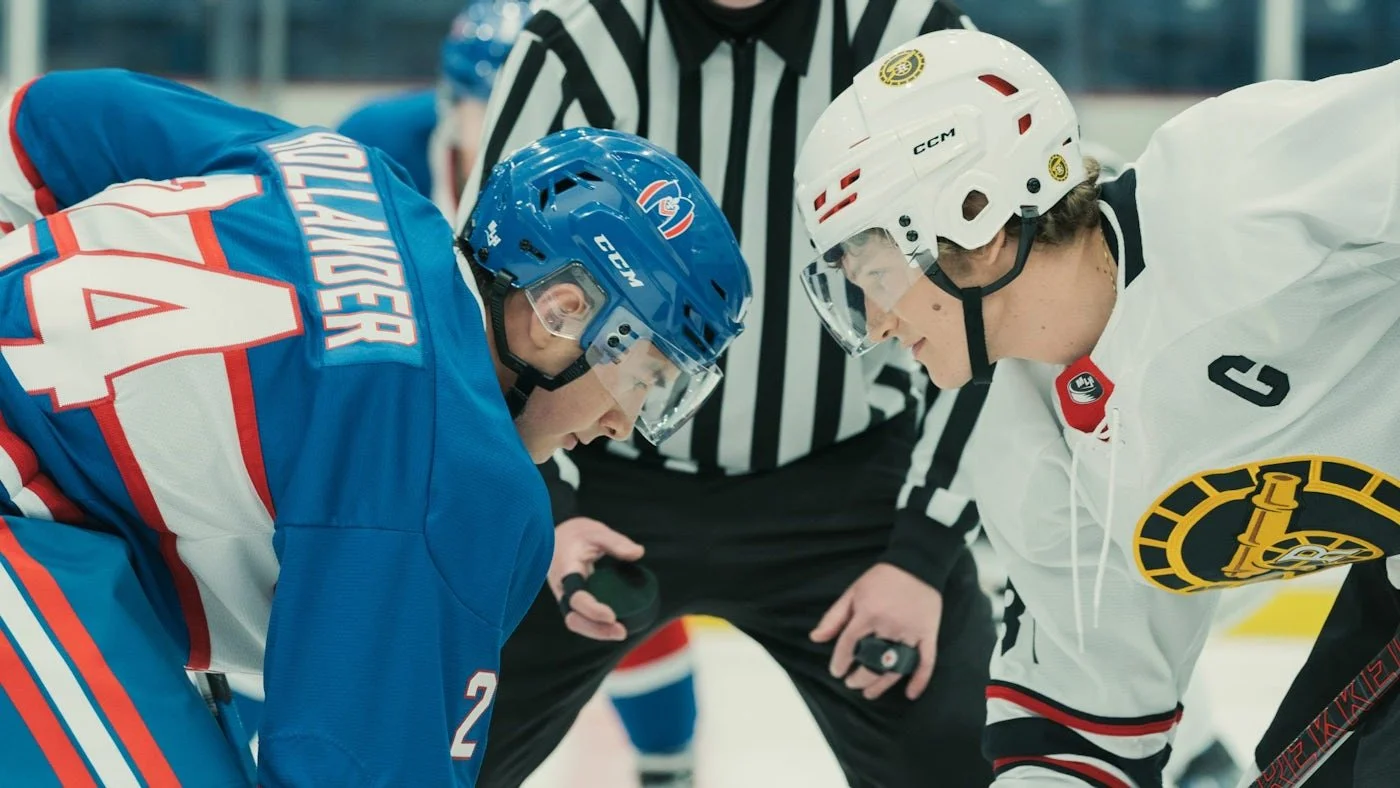
I never expected my favourite hockey romance would be talked about on American late night shows. And I’m sure its author didn’t either.
This was a book adapted into a TV show with a niche audience in mind: romance readers and queer people.
From what people involved with the show have said, they knew it was special and that it would find its audience but not that it would so quickly be embraced and devoured by the world.
With such massive name recognition and attention comes much scrutiny, however, and not everyone has enjoyed it. In fact, the queer hockey players who’ve spoken publicly about it online (including Brock McGillis, Matt Kenny, and Zach Sullivan) have all said the show was triggering for them.
This doesn’t surprise me as it is set in the homophobic world of professional hockey.
One player in particular has spoken publicly about how the show doesn’t care for the details about a professional hockey player’s life, citing running and bench press as inaccurate off-season training, and not taking care with the shame and fear the characters would no doubt be feeling in this context. I agree that the world the show had presented is a hugely sanitized version of professional hockey and hockey culture at the elite levels.
I spoke to Cheryl MacDonald, who previously studied homophobia in various levels of elite junior hockey, about the show’s depiction of hockey culture and she agreed.
We both thought it would have been helpful to the narrative for there to be a bit more evidence of hockey culture’s toxicity in the series to give more context to why the characters are closeted. While there is some strategically placed homophobic language in the show, it doesn’t truly encapsulate the reality of what Shane and Ilya would be going through.
So I can understand why this player is so angry and hurt by how the show is so flippant about the experiences he’s been through.
What happens in those rooms is horrific.
I don’t personally know any closeted hockey players, but I am Canadian and I did follow the sexual assault trial of the five men implicated in the 2018 World Juniors scandal. The details of the trial would make anyone’s stomach churn. What horrifies me the most—more than the fact that there wasn’t sufficient evidence to convict them—is that these men thought that what happened in that room was normal.
This obviously isn’t the same as being closeted, but both problems stem from the same misogyny that pervades hypermasculine spaces.
So to the extent I can, having never been a closeted man in hockey, I understand the anger. I understand how this show is such a fucking slap in the face.
And there’s nothing I can say that will take away that hurt because it sucks.
Unfortunately, the reality is that this show was not made for closeted athletes.
I don’t imagine the creators of the show or the book assumed that closeted NHL players or other professional hockey players would see this show. The show is based on a romance novel—and if you’re a romance reader, you know that romance promises a happy ending.
What this show does, as Esther Perrel so eloquently states in this Instagram reel, is provide a corrective experience.
That is to say, every time you think something negative will happen (for example, Shane’s mom won’t accept him), you’re met with something positive (she apologizes for not making him feel safe enough to tell her he’s gay), making the experience reparative. This is so powerful to watch. It makes the experience, for most people, comforting.
Once you know everything’s going to be okay, you can watch it over and over and bask in the joy of it.
I understand that this is not the experience of some people, particularly those who have experienced the true horrors of homophobia in hockey firsthand. And those are such valid feelings to have. I don’t think I’d want to watch something that made light of the worst parts of my life either.
A romance show won’t change the NHL for closeted players.
The harm is systemic and too deep for that. What the show does do is offer insight into what it could be like to see men learn to be emotionally available.
It presents an idealized version of the world where bad things exist but there is joy to be had. Where there is someone who loves you for you and is willing to step up and communicate.
The world is full of horrors, and we must face them.
It is not enough to say “here’s what could be” without backing that up with action.
But I’m grateful I can go to the cottage every once in a while and imagine a world where men are vulnerable and Shane and Ilya are happy.
If you’re interested in learning more about hockey culture, I suggest reading We Breed Lions by Rick Westhead, Overcoming the Neutral Zone Trap by Cheryl MacDonald, and Conflicted Scars by Justin Davis.